September 29, 2026
Choosing a fence for a commercial property involves more than selecting a material or deciding how tall the finished installation should be. The right solution must support the property's purpose, account for its physical layout, and provide the appropriate balance of security, durability, access, and appearance. Commercial properties can range from active construction sites and public event spaces to large agricultural operations, so their requirements can vary considerably.
Experienced fence professionals begin by evaluating how a property is used and what the fence needs to accomplish. They also consider factors such as traffic patterns, terrain, access points, expected installation duration, and the level of protection required. By examining these details before installation begins, property owners can choose a solution that provides practical benefits without creating unnecessary limitations.
Solutions Tailored to Everyday Commercial Use
Evaluating the Property's Purpose
The first step in selecting fencing for a commercial property is determining why the barrier is needed. A construction site may require a temporary perimeter that keeps unauthorized people away from equipment, materials, and active work areas. An event venue may instead need barriers that establish boundaries and help direct attendees through designated spaces. A vacant property can have different requirements, particularly when preventing trespassing is a priority.
The property's purpose also affects how long the installation needs to remain in place. Some projects require protection for only a single day, while construction or renovation projects may need a barrier for several months. Professionals can account for the expected timeline when recommending an appropriate solution, helping businesses avoid selecting a system that does not match the duration or demands of the project.
Considering Layout and Access
The physical characteristics of a property play an important role in determining the right fence design. Professionals evaluate the size and shape of the site, changes in elevation, existing structures, pedestrian areas, vehicle routes, and locations where people regularly enter or exit. These considerations help determine where the perimeter should be established and how the installation can work with the property's existing layout.
Access points deserve particular attention because gates must provide convenient entry without creating unnecessary openings in the perimeter. A construction site may need access for trucks and heavy equipment, while an event space may require controlled pedestrian entrances. Planning these points in advance can help maintain an organized site while allowing authorized users to move efficiently through the property.
Balancing Durability and Appearance
Commercial fencing should be selected with the property's operating conditions in mind. Materials exposed to frequent contact, changing weather, or heavy activity need to provide suitable durability for the environment. Professionals can also consider whether the property requires a more temporary visual solution or a permanent installation intended to remain in place for an extended period.
Strengthened Protection for High-Security Sites
Identifying Potential Security Concerns
Properties containing valuable equipment, materials, vehicles, or sensitive areas may require more than a basic perimeter. Professionals begin by considering the types of security concerns a property faces and identifying locations where unauthorized access could create significant problems. This assessment helps determine whether the installation should emphasize visibility, physical resistance, privacy, or a combination of these characteristics.
The surrounding environment can also influence the design. A property located near a busy public area may face different access concerns than an isolated commercial site. Professionals can consider nearby roads, pedestrian activity, neighboring properties, and the number of people who routinely access the site. These details help create a perimeter that addresses the property's specific circumstances rather than relying on a generic approach.
Selecting Height and Construction
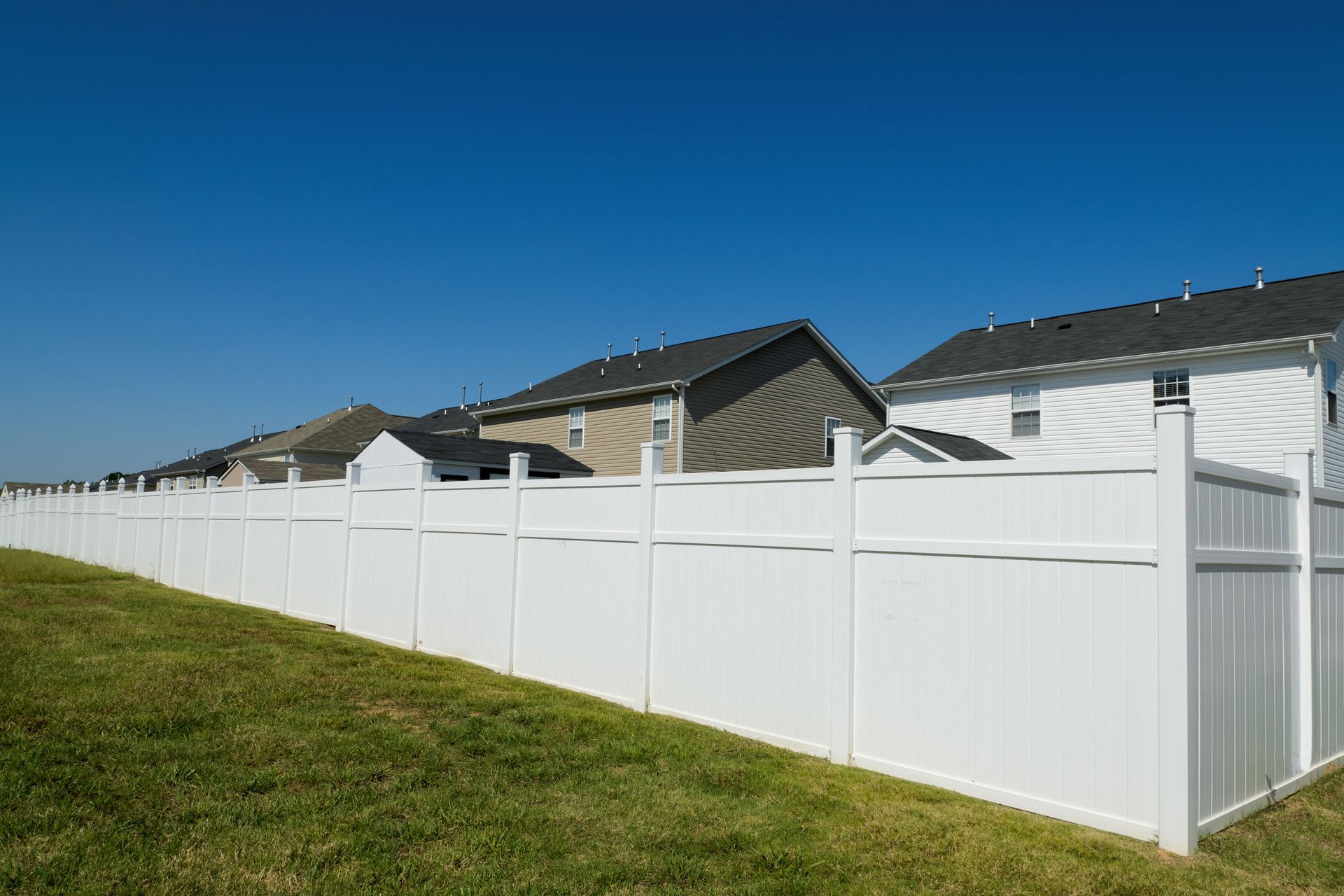
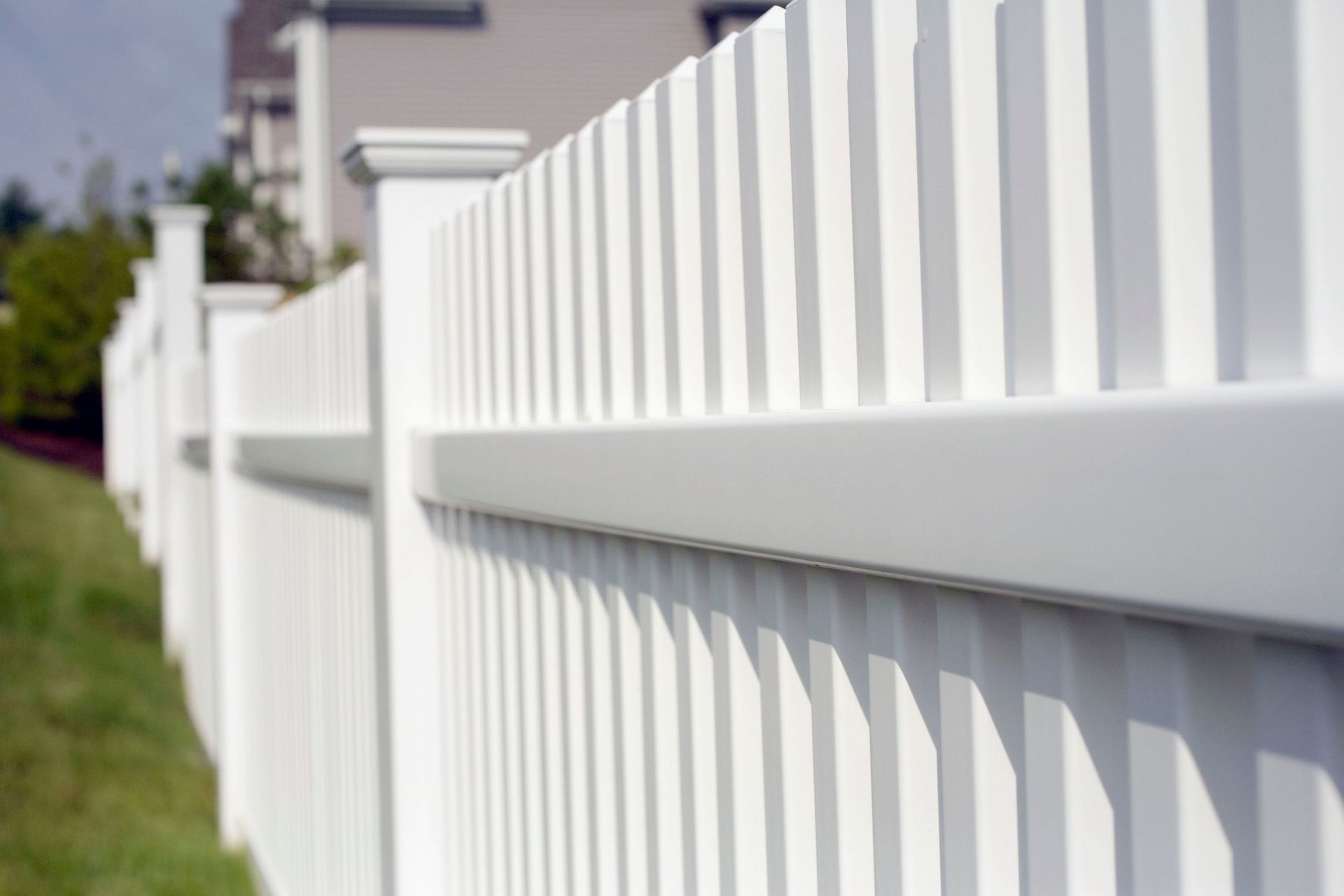
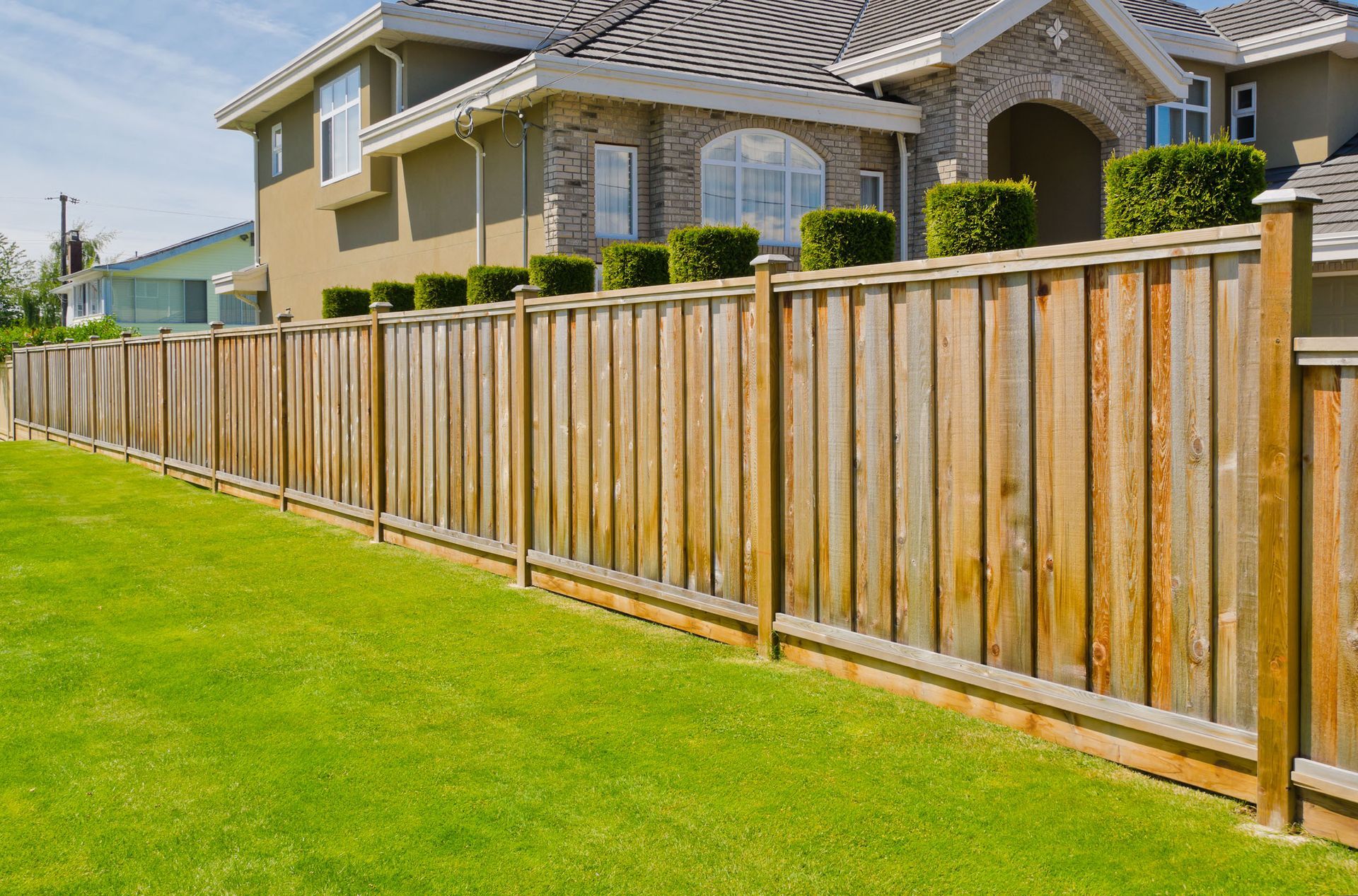
The height and construction of fencing can influence how effectively it establishes a physical boundary. Higher barriers may be appropriate when limiting unauthorized access is a primary concern, while stronger materials can provide additional resistance against attempts to damage or bypass the perimeter. Depending on the property, options may include chain-link systems, wrought iron designs, privacy fencing, or other configurations suited to the security objectives.
Security requirements can also influence whether additional features are appropriate. Gates, controlled access points, and specialized barriers may help limit entry to authorized individuals while preserving necessary access for employees and service providers. Professionals consider how these components work together so the finished installation functions as a complete perimeter rather than as a collection of unrelated elements.
Planning for Ongoing Property Use
A secure perimeter still needs to accommodate normal business operations. Employees may need to enter and leave throughout the day, deliveries may require larger openings, and emergency personnel may need access under certain circumstances. Professionals therefore consider daily traffic patterns when developing the design instead of treating security and convenience as separate concerns.
The installation timeline is another consideration for businesses that need protection quickly. Construction projects, vacant properties, and temporary public spaces may require a prompt solution that can be installed efficiently. Experienced contractors can evaluate the project's scope, determine the appropriate materials and configuration, and coordinate installation around the property's operational requirements.
Practical Designs for Agricultural Commercial Properties
Matching the Fence to the Land
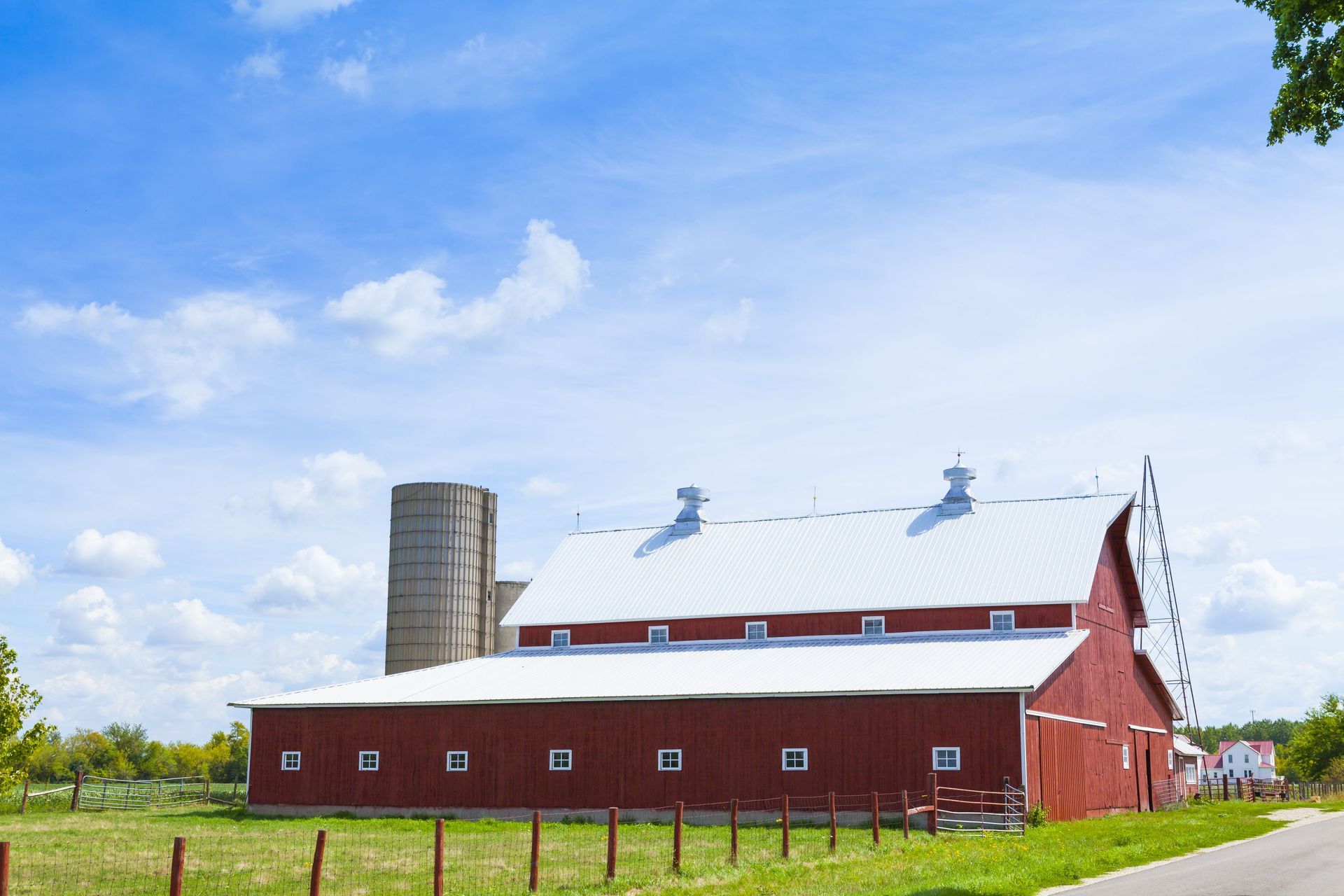
Farm properties present a different set of considerations because fencing may need to cover substantial acreage while supporting agricultural activities. Professionals examine the property's terrain, boundaries, access routes, structures, fields, and areas used for livestock or equipment. A well-planned installation can divide portions of the property according to their intended uses while providing clear boundaries across large expanses of land.
The intended function of each section is particularly important. A perimeter barrier may need to define the property's overall boundary, while interior fencing may separate grazing areas, work zones, gardens, or other agricultural spaces. Designing each portion around its purpose can make the property easier to manage and reduce the likelihood that a single fence type will be expected to serve every need.
Choosing Appropriate Livestock Containment
Livestock containment requires careful attention to animal behavior, fence dimensions, material selection, and placement. The goal is to establish a barrier that helps keep animals within their designated areas while reducing opportunities for them to push through, climb over, or otherwise defeat the installation. Professionals can consider the species being contained and the characteristics of the land when determining the most appropriate design.
According to the USDA, livestock fences should generally be about 36 inches high, or approximately level with an animal's outstretched nose. This measurement illustrates why fence height should be determined according to the animals and purpose involved rather than selected arbitrarily. A professional can evaluate the specific agricultural application and recommend a configuration that supports safe, effective containment.
Accounting for Gates and Maintenance
Large agricultural properties often depend on convenient access for vehicles, equipment, livestock management, and routine property maintenance. Gates should therefore be positioned according to how the land is used and how equipment moves through it. Proper placement can make regular tasks more efficient while preserving the continuity of the surrounding perimeter.
Determining the ideal fencing for a commercial property requires a property-specific assessment rather than a one-size-fits-all approach. General commercial sites may prioritize organization, temporary protection, and controlled access, while high-security properties may require stronger barriers and more deliberate access planning. Agricultural properties introduce additional considerations involving acreage, livestock, equipment, and land management.
Professional installation begins by understanding these differences and translating them into a practical design. With careful consideration of property use, layout, materials, access, durability, and security requirements, businesses can establish boundaries that support their operations. Contact AFL Fences today to discuss your commercial fencing needs and find a solution tailored to your property!