5 Tips For Choosing The Right Fencing For Your Yard
Upgrading your property with a beautiful, durable boundary line is a major home improvement milestone that instantly redefines your home's security, visual charm, and overall neighborhood presence. Your yard is a personal sanctuary where children play safely, pets roam freely, and families gather for weekend barbecues. Because a modern outdoor layout relies on a careful balance of architecture, durability, and local building rules, choosing your perimeter materials demands thoughtful planning. Many homeowners rush into buying materials based solely on what looks good in a showroom, without considering how weather, shifting soil, or maintenance chores will impact their lifestyle down the road. Unfortunately, cutting corners during the planning phase can quickly lead to warped panels, sagging gates, and expensive municipal zoning fines.
Choosing to invest in a premium boundary layout over a temporary mesh barrier is a highly strategic decision that actively protects your household budget and builds immediate real estate equity. The specific dimensions of your perimeter panels play a massive role in how secure and secluded your property feels from the street. According to This Old House, fences should be between 6 and 8 feet tall for added privacy. Adhering to these structural dimensions ensures you block out noisy street traffic and create a secure barrier around your home. Incorporating high-quality fencing into your master property plan completely removes the stress of uninvited intruders and curious neighbors. Relying on professional-grade fencing ensures your yard stays fully functional while providing five distinct personal and physical advantages.
1. Defining Your Core Yard Goals
The very first step in choosing the perfect boundary system is identifying the primary reason you want to enclose your property line in the first place. Homeowners install perimeters for vastly different reasons, and picking a material without a clear purpose can result in a structure that fails to meet your daily needs. If your main goal is keeping an energetic dog from jumping into the neighbor's garden, your structural needs will be completely different from someone trying to block wind or shield a swimming pool.
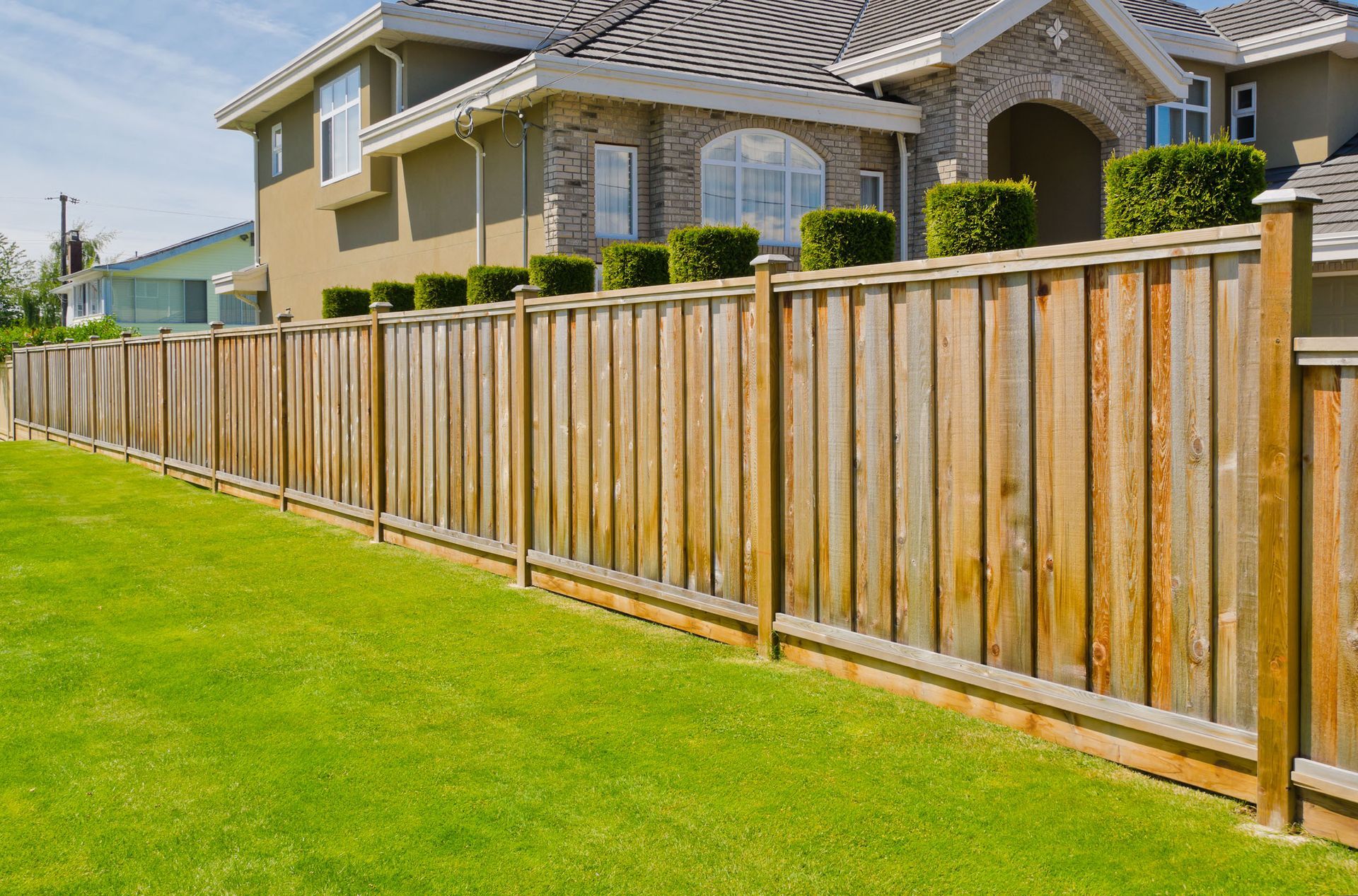
When evaluating different fencing styles, decide whether you are prioritizing maximum security, strict visual privacy, child safety, or simple decorative curb appeal. For instance, classic solid wood panels work beautifully for complete solitude, while open decorative aluminum bars keep children secure without blocking a beautiful forest view. Aligning your fencing material with your primary household goal ensures your final installation serves your family perfectly through every season.
2. Accounting For Long-Term Maintenance Requirements
Every single material option you place along your property line requires a different level of seasonal physical care to keep it looking pristine and structurally sound. Natural wood looks incredibly classic and rustic, but it demands consistent pressure washing, chemical staining, and painting every few years to prevent severe wood rot and splitting. If you skip this routine maintenance, a wooden barrier can warp and deteriorate rapidly.
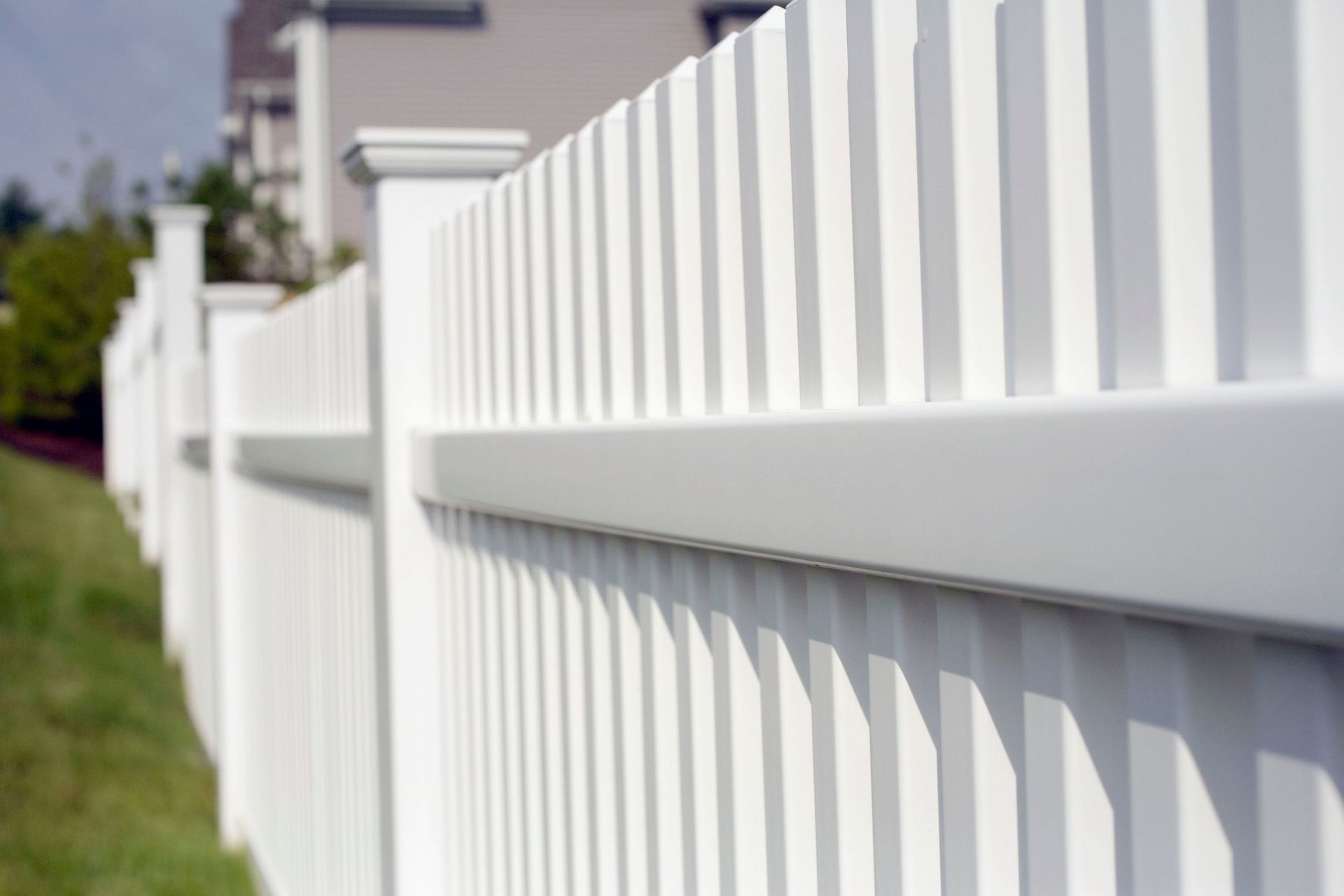
If you have a packed weekly schedule and want to avoid ongoing weekend chores, exploring low-maintenance fencing alternatives is a highly strategic choice. Modern vinyl and high-grade aluminum materials are engineered to shrug off intense solar UV rays and heavy rainstorms without ever rusting, peeling, or fading. Choosing a low-maintenance fencing material allows you to keep your perimeter looking brand-new with nothing more than a quick rinse from a garden hose. Balancing up-front material costs against your future free time keeps your property upkeep simple and stress-free.
3. Matching Your Home's Architectural Style
Your outdoor perimeter should never look like an afterthought slapped onto your property line; instead, it should act as a seamless visual extension of your home's main architectural design. Installing an ultra-modern, industrial horizontal steel barrier around a classic, historic colonial home can clash terribly and hurt your home's neighborhood presentation.
Take the time to analyze your home's exterior color palette, roofline angles, and siding materials before selecting your fencing profiles. A traditional farmhouse looks spectacular with a white vinyl picket design, while a contemporary mid-century home pairs beautifully with clean, dark horizontal wood slats. Choosing a complementary fencing aesthetic ensures your entire estate looks cohesive, upscale, and carefully planned. This visual harmony naturally drives up your property value and catches the eye of potential buyers.
4. Verifying Local HOA and Municipal Rules
Before you buy any materials or hire an installation crew, you must research the strict legal codes and homeowners association (HOA) guidelines governing your specific neighborhood. Many local municipalities enforce strict rules regarding how close an enclosure can be to a public sidewalk, which direction the structural posts must face, and what materials are legally allowed.
Failing to verify these regulations before installing your fencing system can result in severe financial penalties or an official order to tear down your brand-new structure. Some historic neighborhoods completely ban certain synthetic materials, while others limit front-yard fencing heights to a maximum of four feet. Taking the time to submit your architectural plans to your local board early shields your household budget from unexpected administrative headaches and keeps your project fully compliant.
5. Budgeting For Total Installation Costs
The final phase of a smart boundary plan involves calculating a realistic budget that covers both the raw material costs and the professional labor fees required to set the posts securely. It is incredibly easy to fall in love with premium stone or wrought iron designs, only to realize that the specialized machinery and labor required to install them far exceeds your budget.
When mapping out your project finances, look closely at the total linear footage of your yard and the layout of your soil. Installing
fencing across a perfectly flat lawn is highly affordable, whereas navigating steep hills, rocky soil, or dense tree roots requires stepping patterns and extra post-hole digging.
Sustaining a beautiful, safe, and highly durable property over the long haul requires a steady combination of smart material selection, proper alignment planning, and disciplined site preparation. Your perimeter structure functions as the hard-working foundation for your entire outdoor lifestyle and your primary tool for defining your personal space, meaning that attempting to shortcut the process with cheap DIY kits or unverified labor will only lead to sagging gates and expensive replacement fees down the road.
Stepping away from passive yard habits and investing your energy into a proactive, well-managed installation plan is the absolute best way to maximize your property's daily utility. By aligning your home improvement goals with a professionally managed strategy, you successfully protect your short-term renovation funds and safeguard your long-term real estate equity.
When you take the time to prioritize clear yard goals, appropriate material maintenance requirements, and strict municipal building codes for your home, you unlock higher daily convenience, eliminate privacy anxieties, and gain immense pride in your estate's presentation. Professional-grade innovation from a trusted installer transforms an open, exposed patch of grass back into a pristine, beautifully polished sanctuary that easily accommodates your family's lifestyle through every season change. Visit AFL Fences online today to view our service options for your new fence.
If you notice your current boundaries are starting to lean, see your pets constantly eyeing gaps along your property line, or are actively preparing to launch an extensive outdoor transformation for your family, do not wait for a major boundary dispute or a code violation to take action. Contact an established local specialist today to explore your customized material choices, view premium vinyl and wood samples, and schedule a comprehensive consultation to ensure your property remains stunning, safe, and private for decades to come.