March 30, 2026
Choosing the right fence company for your property involves balancing aesthetics, durability, maintenance, and budget. From the classic appeal of wood to the low-maintenance benefits of vinyl, the security of chain link, the elegance of metal, or the modern versatility of composite, each fencing material offers unique advantages. Understanding the characteristics, costs, and long-term considerations of these options is essential in making an informed decision. With the right knowledge, you can select a fence that complements your property, meets your functional needs, and provides lasting value.
Wood Fences
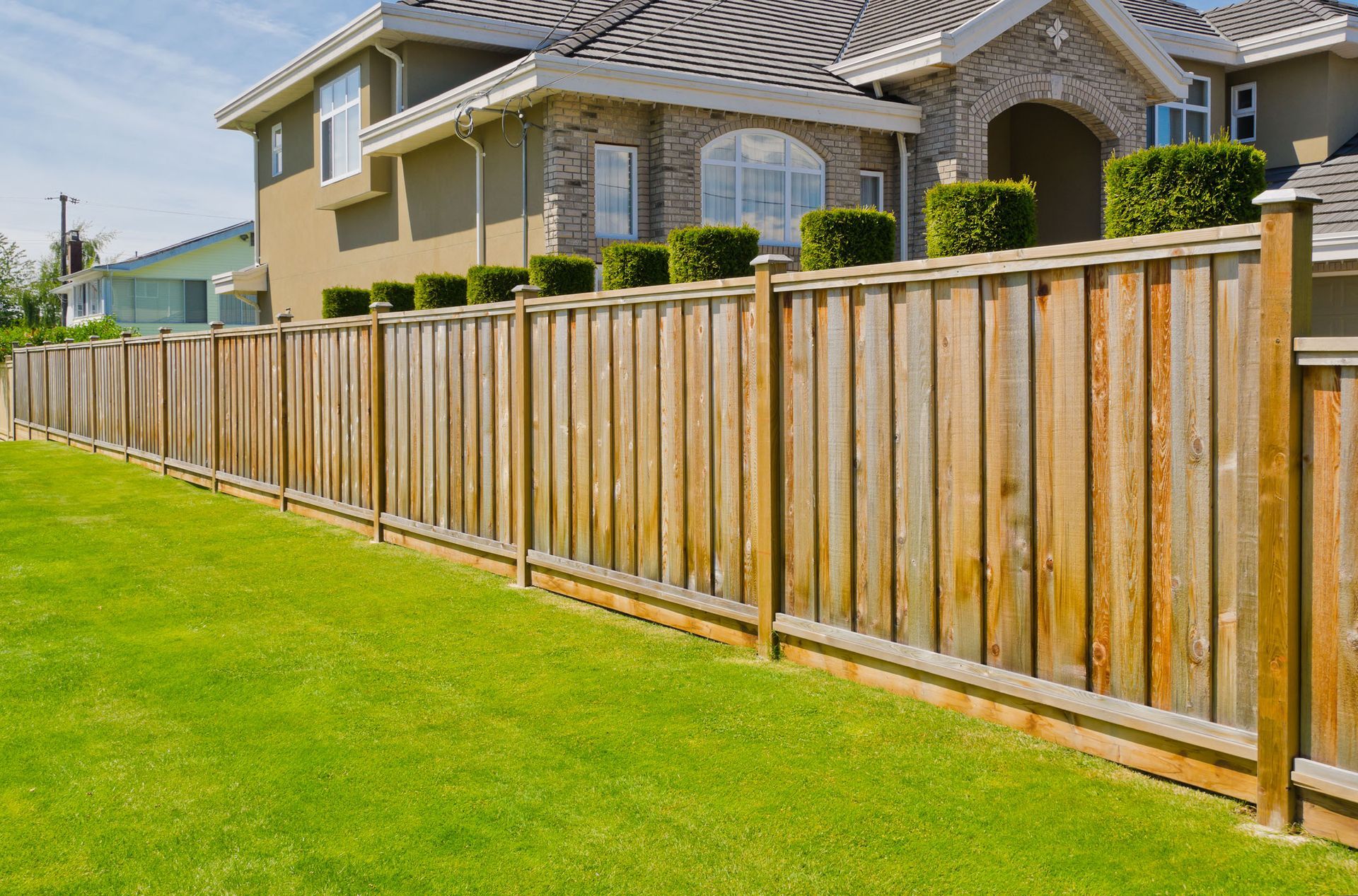
Wood fences are popular for their classic appeal and versatility. However, the type of wood chosen significantly affects the overall cost. Pine is typically the most affordable option, while cedar and redwood can be significantly more expensive due to their durability and resistance to decay. Maintenance needs also vary, with some woods requiring regular treatment to withstand weather conditions. Cost considerations for wood fences must include the potential expense of ongoing maintenance to preserve their aesthetic and functional qualities.
According to BusinessWire, raw materials for fences account for 50% to 60% of the overall cost of the final products. Wood, being a natural material, can pose variable costs due to market fluctuations and availability. Additionally, environmental considerations and local restrictions on wood harvesting can impact supply and cost. When planning for a wood fence, it’s important to account for these material variances in budgeting. The choice of wood can significantly influence not just the initial installation cost but also future expenses related to maintenance and repair.
Vinyl Fences
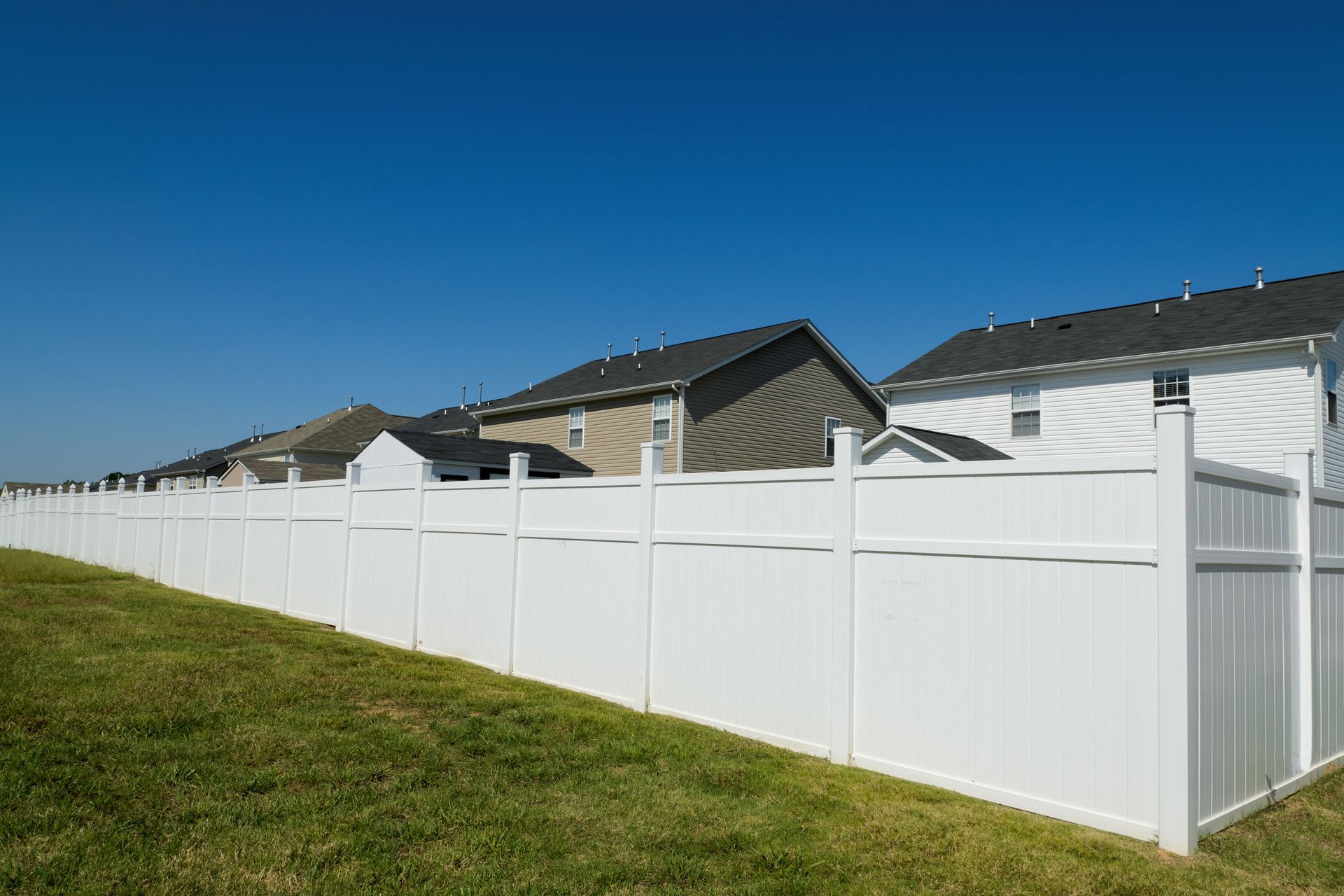
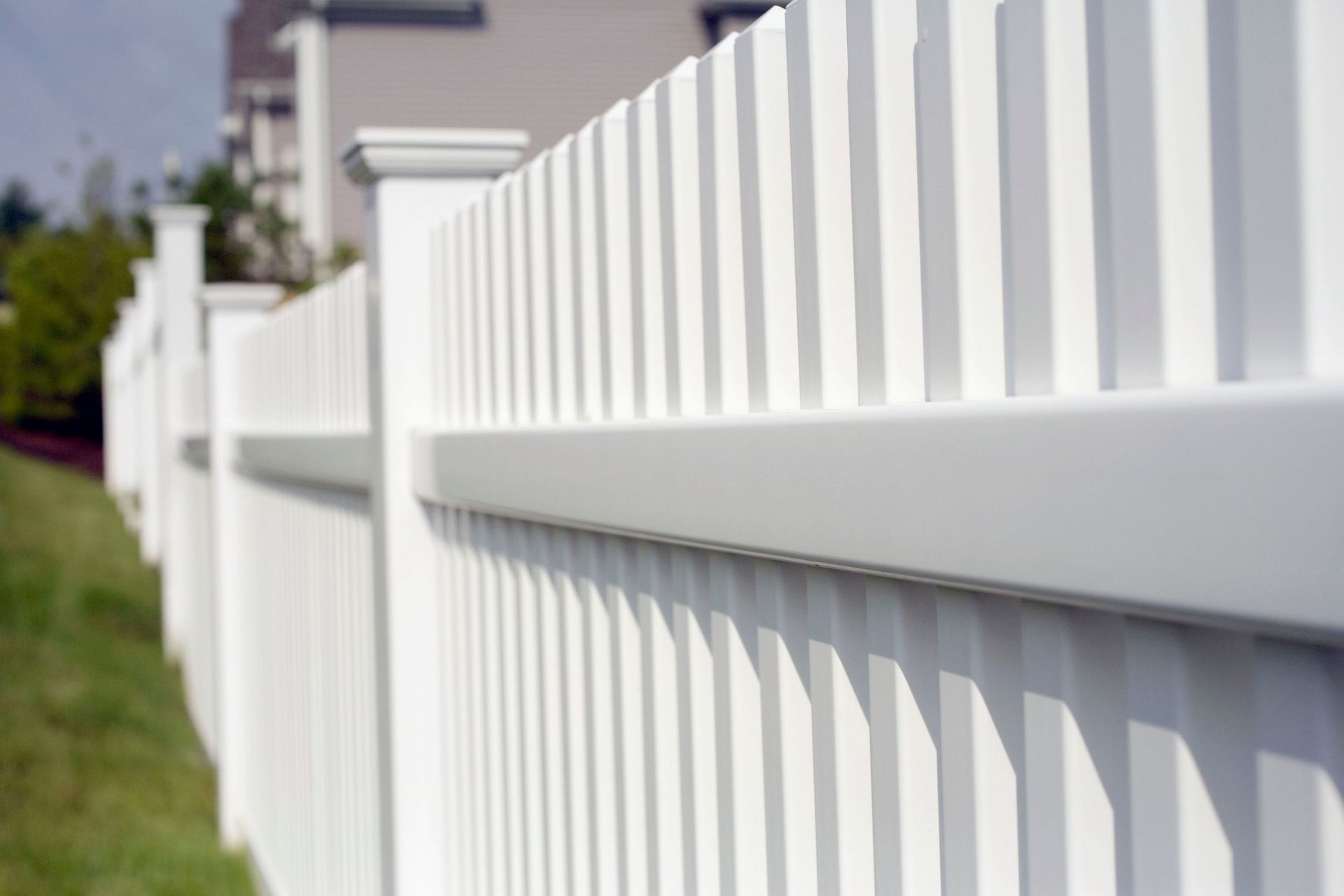
Vinyl fences are favored for their low maintenance and long lifespan. Although the initial installation cost of vinyl is higher compared to some other materials, the reduced maintenance requirements can lead to savings over time. This material doesn't require painting, staining, or sealing, which significantly cuts down on recurring costs. Additionally, vinyl is resistant to pests, rot, and moisture, making it an ideal choice for regions with harsh weather conditions. The aesthetic versatility of vinyl fences, available in numerous colors and designs, further boosts their appeal despite the higher upfront cost.
Manufacturing advancements have allowed for vinyl fencing to closely mimic the look of traditional materials such as wood or stone, offering a variety of design options. This adaptability makes vinyl an attractive option for both urban and rural properties. However, homeowners should consider that repairing vinyl fences, while infrequent, can be costly due to the need for replacing sections rather than individual boards or components. Vinyl’s longevity and durability against weather and wear, combined with the cost savings from minimal maintenance, make it a viable long-term investment despite the initial expenditure.
As environmental considerations gain importance, more recycled vinyl options are becoming available in the market. These eco-friendly choices offer the dual benefits of sustainability and durability, although they may come at a premium cost. As such, making an informed decision on a vinyl fence requires balancing upfront costs with savings accrued from reduced upkeep. Evaluating these factors ensures that the chosen fencing solution meets both budgetary constraints and aesthetic desires, while also considering the long-term financial impacts of the investment.
Chain Link Fences
Chain link fences are one of the most economical fencing options available. Their affordability makes them a popular choice for large-scale enclosures such as commercial properties and sports fields. While they may lack the visual appeal of other types of fences, chain link fences provide reliable security and longevity. Made from galvanized steel, they are resistant to corrosion, which contributes to their long lifespan with minimal maintenance. For residential use, options such as coated chain links in different colors can enhance their visual appeal while maintaining cost efficiency.
Despite being an affordable option, the installation of chain link fences involves considering additional cost factors. The choice of coated versus uncoated wires, the height of the fence, and any additional features such as barbed wire or privacy slats can alter the pricing. While chain link fences provide basic functionality, customization options can improve functionality and aesthetics, albeit at increased costs. The straightforward installation process also results in lower labor costs compared to more complex fence types. These factors collectively make chain link fences a pragmatic choice for budget-conscious projects requiring durable security solutions.
Metal Fences
Metal fences, including aluminum and wrought iron, offer a premium option known for durability and style. Wrought iron provides a classic look with decorative options, though it can be expensive compared to other materials. Its strength makes it an excellent choice for security fencing, but it can require maintenance to prevent rust. Conversely, aluminum fences offer a more affordable metal option with similar aesthetic benefits, being resistant to rust and weather changes without requiring the same level of maintenance as wrought iron. Both metal types offer long-term durability, making them an attractive investment despite the higher initial cost.
The installation of metal fences can involve higher labor costs due to the weight and intricacy of certain designs. For wrought iron, custom designs can increase both the price and installation time, requiring skilled labor for precise execution. On the other hand, aluminum is lighter, making it easier and cheaper to install, yet it still provides a similar prestigious look. Nevertheless, understanding the advantages and limitations of each metal option assists in making a knowledgeable choice that will serve practical and stylistic purposes effectively. Metal fencing remains a top-tier choice for properties where aesthetics and longevity are prioritized.
Composite Fences
Composite fences combine the look of wood with the low-maintenance benefits of plastic, offering a balanced alternative for homeowners. These fences are made from a blend of wood fibers and plastic, allowing for a natural appearance without the associated upkeep required by traditional wood. Composite fences are designed to resist rot, decay, and insect damage, which contributes to their durability and longevity. Despite the higher initial outlay compared to wood, the minimal ongoing maintenance can result in lower lifetime costs. This makes composite fences an attractive option for those seeking the aesthetics of wood without its maintenance demands.
Cost considerations for composite fences involve understanding the wide variability in material quality and price. Higher-end composites closely mimic the texture and grain of wood, offering superior aesthetics, but often at a premium price. As with all fences, the cost of composites is influenced by design complexity and additional features. Homeowners should also consider the environmental footprint, as many composite materials are produced from recycled content, adding an eco-friendly aspect to their appeal. While initially more expensive, the combination of aesthetic appeal, durability, and environmental advantages gives composite fences lasting value.
Fencing is more than a boundary—it’s a combination of style, security, and long-term investment. Whether you choose the timeless charm of wood, the hassle-free durability of vinyl, the cost-effective practicality of chain link, the elegance of metal, or the modern efficiency of composite, each option offers a solution for different needs and budgets. Careful consideration of material, maintenance, and installation costs ensures your fence will perform well for years to come.
Take the next step today: evaluate your property’s needs, explore your fencing options, and consult AFL Fences to select a solution that enhances your home’s value, safety, and beauty. With the right fence, you’re not just marking a boundary—you’re creating a lasting statement.